
Understanding critical care and intensive care
Critical care is specialised hospital care for people whose illness, injury or recovery after a major procedure places one or more vital functions at risk. These patients may need close observation, repeated clinical assessment, continuous monitoring or support for breathing and circulation. An intensive care unit (ICU) is designed for patients who require a higher level of observation and intervention than can usually be provided in a standard ward.
People searching for critical care in Varanasi, an ICU in Lanka or an intensive care unit near BHU often need clear information at a stressful time. Families may want to understand why a patient needs intensive monitoring, what equipment is being used, what information to share with the treating team and how to arrange admission or transfer. The appropriate care setting depends on the diagnosis, severity, treatment needs, available resources and assessment by qualified clinicians.
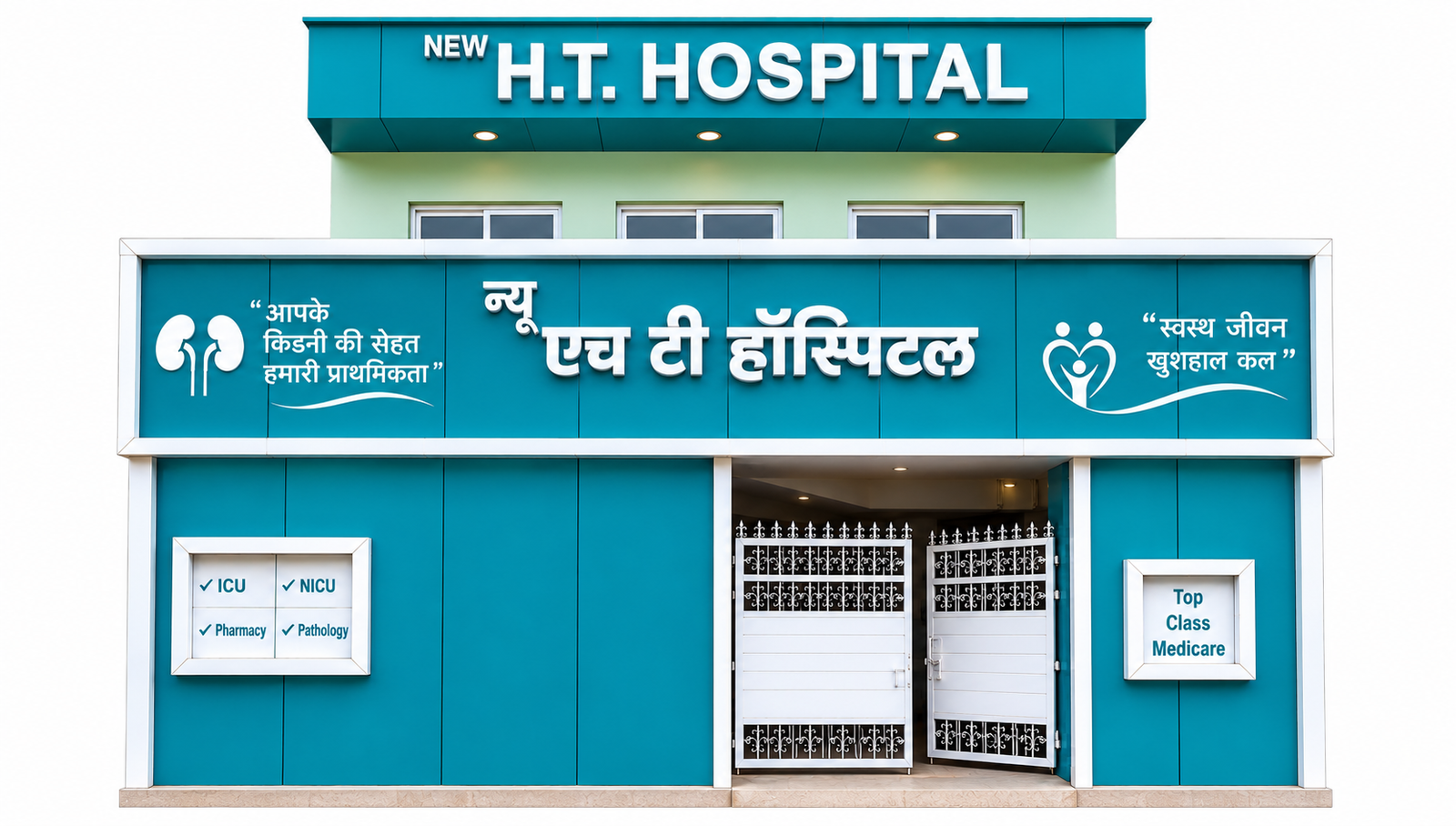
At New H.T. Hospital, Bogabir, Lanka, opposite BHU Hospital in Varanasi, the hospital's listed facilities include ICU care, ventilator support, cardiac monitoring and central oxygen supply. The exact availability of beds, clinical personnel, equipment and specialist support can change. Contact the hospital to confirm whether the current facility can meet the patient's specific needs before arranging a non-emergency transfer.
When might a patient need ICU care?
An ICU may be recommended when a patient's condition is unstable, could deteriorate quickly or requires treatment with close monitoring and organ support. Admission decisions are made by the treating clinicians after considering the diagnosis, examination findings, test results, response to initial treatment and resources required. Not every seriously ill patient needs an ICU, and not every patient admitted to an ICU requires a ventilator.
Severe breathing difficulty
Serious respiratory illness can reduce the amount of oxygen reaching the blood or make it difficult for a person to breathe effectively. Causes may include severe pneumonia, acute respiratory failure, severe asthma or COPD exacerbations, fluid in the lungs and other conditions. Depending on cause and severity, treatment may involve oxygen, medicines, non-invasive respiratory support or invasive mechanical ventilation. The clinical team determines the appropriate method and monitors the patient's response.
Severe infection and sepsis
A serious infection can affect the whole body and may lead to sepsis, low blood pressure, altered mental status or dysfunction of vital organs. Hospital management may include investigations to identify the source, antimicrobial treatment when indicated, fluid and blood-pressure management, oxygen or respiratory support and repeated monitoring. Treatment depends on the infection and clinical findings.
Heart and circulation problems
Some patients with serious heart conditions, dangerous rhythm disturbances, shock or major changes in blood pressure require continuous or frequent monitoring. Cardiac monitoring can help the clinical team observe heart rhythm and other relevant parameters. Monitoring is one part of care; interpretation, examination, investigations and timely treatment remain essential.
Altered consciousness or neurological emergencies
A sudden change in consciousness, seizures, severe head injury, stroke-related complications or other neurological emergencies may require close observation and support to protect breathing and other vital functions. The cause must be assessed urgently. The level of care depends on the patient's airway, breathing, circulation, neurological findings and need for specialist intervention.
Major injury, bleeding or complications after surgery
Major trauma, significant blood loss, complex post-operative recovery or complications after a procedure can require intensive observation. The treating team considers the risk of deterioration, need for organ support, pain control, fluid balance and frequency of reassessment. The appropriate hospital and unit depend on the specific injury or procedure and specialist services required.
Acute kidney injury and serious metabolic disturbances
Severe illness can affect kidney function and the balance of fluids, electrolytes and acid-base status. Markedly abnormal potassium, severe fluid overload, reduced urine output or uraemic complications may require urgent hospital treatment and close monitoring. Some patients need coordination between nephrology and critical care. Dialysis is considered only when clinically indicated; an abnormal creatinine result alone does not establish the need for dialysis.
What happens in an ICU?
ICU care involves repeated assessment and monitoring based on the patient's condition. Depending on clinical need, monitoring may include heart rate and rhythm, blood pressure, oxygen saturation, breathing rate, temperature, urine output, fluid balance and laboratory results. Some patients require continuous monitoring, while others need frequent scheduled observations. The care team uses these findings alongside physical examination and the patient's response to treatment.
Ventilator and breathing support
A ventilator is a machine that supports or controls breathing when a patient cannot maintain adequate ventilation independently. In invasive ventilation, a breathing tube is placed into the airway by trained clinicians. Some patients may receive non-invasive breathing support through a mask, depending on their condition. Ventilation requires close monitoring and a treatment plan that considers the cause of respiratory failure, oxygen and carbon-dioxide levels, comfort, sedation where appropriate and readiness to reduce support.
Ventilator use is not a diagnosis and does not by itself predict the outcome. The duration and type of support vary. Families can ask why ventilation is needed, what goals the team is monitoring, what complications are being watched for and what conditions would allow support to be reduced. Only the treating team can provide a patient-specific explanation.
Oxygen therapy and central oxygen supply
Oxygen may be prescribed when a patient's measured oxygen level or clinical condition indicates a need. It can be delivered through different devices according to the amount of support required. Central oxygen supply is listed among New H.T. Hospital's facilities. Clinicians determine the device, flow and target; attendants should not adjust oxygen settings or disconnect equipment themselves.
Cardiac and vital-sign monitoring
Cardiac monitoring can display heart rhythm, while other bedside equipment may be used to observe blood pressure, oxygen saturation and respiratory rate. The monitoring plan depends on the patient's condition and treatment. An alarm may signal a change that needs assessment, but some alarms can also occur because of movement or sensor problems. Staff should assess alarms and the patient together.
Fluid balance, urine output and laboratory tests
Fluid balance is important in many critical illnesses, particularly when the heart, lungs or kidneys are affected. The team may record fluid intake and output, monitor urine output and review blood tests such as electrolytes, kidney function, blood counts and other tests relevant to the diagnosis. Tests are selected according to clinical need; not every patient requires the same investigations.
Conditions that may require critical care
Critical care is not limited to one medical specialty. A range of illnesses and injuries can become serious enough to require ICU-level observation or support. Examples include:
- Severe pneumonia and acute respiratory failure.
- Sepsis and serious systemic infections.
- Severe asthma or COPD exacerbations with respiratory compromise.
- Shock or significant circulatory instability.
- Serious heart rhythm disturbances or other acute cardiac problems requiring close monitoring.
- Major trauma, serious injuries or significant bleeding.
- Seizures, reduced consciousness and selected neurological emergencies.
- Complications following major surgery or procedures.
- Severe metabolic or electrolyte disturbances.
- Acute kidney injury with complications requiring intensive monitoring or organ support.
This list is illustrative, not a diagnostic guide or a promise that every listed condition can be managed at every facility. Some conditions require specialised services, procedures or sub-specialty teams. Before transfer, the referring clinician and receiving hospital should discuss the patient's needs, clinical stability, transport risks and whether the receiving facility has the necessary capability.
Information for family members and attendants
Having a relative admitted to an ICU can be frightening. Families may hear unfamiliar terms, see monitoring equipment and receive updates during a rapidly changing situation. It can help to identify one family contact who can receive updates and share accurate information with other relatives. Keep a written record of the treating team's explanations and questions you want to ask.
What information should you share?
- The patient's known medical conditions, previous operations and recent hospital admissions.
- Current medicines, including blood thinners, insulin, blood-pressure medicines, inhalers, over-the-counter drugs and supplements.
- Known allergies or previous serious reactions to medicines.
- Recent symptoms, when they began and how they changed.
- Previous test reports, prescriptions, discharge summaries and relevant imaging.
- Any advance-care documents or known treatment preferences, where applicable.
Questions families can ask the treating team
- What is the main medical problem being treated?
- Why does the patient need ICU-level care at this time?
- Which organs or vital functions need monitoring or support?
- What are the main goals of treatment over the next 24 hours?
- What changes would indicate improvement or deterioration?
- Are any investigations, procedures or specialist consultations planned?
- Who is the designated person to contact for updates?
- What are the current visiting, attendant and infection-control rules?
Families should not touch, adjust or disconnect monitors, oxygen devices, ventilator tubing, intravenous lines, catheters or other medical equipment. Follow staff instructions about hand hygiene, protective equipment and visiting restrictions.
Safety, infection prevention and recovery
Patients in critical care may have reduced immunity, invasive devices or serious underlying illness. Infection prevention is therefore an important part of hospital care. Staff and visitors may be asked to clean their hands, use protective equipment, limit visitors or follow other unit-specific precautions. Visitors who have fever, cough, vomiting, diarrhoea or a suspected contagious illness should inform the hospital and follow its advice before entering the unit.
Medical devices such as breathing tubes, vascular lines and urinary catheters are used when clinically indicated and require careful handling. The clinical team monitors for complications and reviews whether devices are still needed. Families can support safety by sharing accurate medical history, following visiting guidance and informing staff if they notice a new concern. They should not attempt to provide clinical care unless specifically instructed by qualified staff.
Recovery after critical illness can take time. Some patients experience weakness, disturbed sleep, reduced appetite, confusion or emotional distress after a prolonged illness or ICU stay. Recovery needs differ, and follow-up may involve the treating doctor, physiotherapy, nutrition support or other services depending on the patient's condition. Ask the team what rehabilitation or follow-up is appropriate before discharge.
ICU admission, referral and transfer planning
If a patient is already receiving treatment at another facility, the treating doctor should coordinate any transfer with the receiving hospital. A transfer decision should consider the patient's stability, required monitoring, oxygen or ventilator needs, medicines and infusions, transport equipment, trained escort and time needed to reach the destination. A patient who is unstable should not be moved in a private vehicle without medical advice and appropriate support.
Before travelling to New H.T. Hospital for a planned or referred admission, contact the hospital to confirm whether an ICU bed is currently available and whether the unit can provide the level of support required. Share the patient's current condition and the referring doctor's details. Confirm the admission process, documents, estimated charges and any scheme or insurance requirements directly with the hospital. Bed availability and service scope can change without notice.
For a life-threatening emergency, do not delay urgent medical care while browsing websites or waiting for an online reply. Use local emergency services or proceed to the nearest appropriate emergency department. If a transfer is advised, follow the instructions of the treating clinicians.
Critical care and ICU information in Lanka, BHU and Varanasi
New H.T. Hospital is located at B31/62-A Bogabir, Lanka, Ahilyabai Colony, opposite BHU Hospital, Varanasi, Uttar Pradesh 221005. The location is in the Lanka area and may be relevant to people seeking hospital services around BHU, Assi, Durgakund, Sunderpur, Bhelupur, Manduadih, Ramnagar and nearby parts of Varanasi. Travel time depends on the starting point and traffic conditions.
People commonly search for “critical care hospital in Varanasi”, “ICU in Varanasi”, “ICU near BHU”, “intensive care unit in Lanka” and “ventilator support in Varanasi”. These search phrases describe what families may be looking for, but proximity alone should not determine where a critically ill patient is treated. The important questions are whether the hospital has the required clinical team, equipment, bed availability and ability to manage the patient's specific condition.
The hospital's listed facility information includes ICU care, ventilator support, cardiac monitoring and central oxygen supply. Please contact New H.T. Hospital to verify current ICU availability, staffing, clinical scope and admission arrangements before travelling. This page does not confirm a currently vacant bed or guarantee that every critical illness can be treated at this location.
New H.T. Hospital, Lanka, Varanasi
Frequently asked questions about critical care and ICU
What is the difference between an ICU and a general ward?
An ICU is intended for patients who need closer observation, frequent assessment or support for vital functions. A general ward is appropriate when a lower level of monitoring is sufficient. The treating team decides the safest care setting.
Does every ICU patient need a ventilator?
No. Some patients need close monitoring, oxygen, medicines or other treatment but breathe independently. Ventilator support is used only when clinically indicated.
Does New H.T. Hospital list ventilator support?
Yes. Ventilator support is included in the hospital's listed critical-care facilities. Contact the hospital to confirm current equipment, staffing and suitability for the patient's needs.
How do I check whether an ICU bed is available?
Call New H.T. Hospital before travelling. Explain the patient's current condition and confirm bed availability, admission requirements and clinical capability. Availability can change.
Can a patient be transferred from another hospital?
Transfer should be coordinated by the treating doctor and receiving hospital. The patient's stability, support requirements, transport equipment and trained escort must be considered.
What should family members bring?
Bring available prescriptions, investigation reports, discharge summaries, a medicine and allergy list, identification and relevant insurance or scheme documents. Do not delay emergency care to collect paperwork.
Can attendants visit ICU patients?
Visiting rules depend on the patient's condition and the hospital's current unit and infection-control policies. Contact the hospital for current visiting arrangements.
Where is New H.T. Hospital located?
New H.T. Hospital is at B31/62-A Bogabir, Lanka, Ahilyabai Colony, opposite BHU Hospital, Varanasi, Uttar Pradesh 221005, India.
Is this page a substitute for emergency medical advice?
No. This page provides general educational information only. Seek emergency medical care immediately for severe breathing difficulty, chest pain, collapse, major bleeding, seizures, new confusion or another life-threatening symptom.
Contact New H.T. Hospital, Varanasi
For critical-care and ICU enquiries, confirm current bed availability, admission requirements and the level of support available before travelling.
Address: B31/62-A Bogabir, Lanka, Ahilyabai Colony, Opposite BHU Hospital, Varanasi, Uttar Pradesh 221005
Phone: 7499854899 · 7985597252
Email: lifecare2020july@gmail.com